Title: Interesting solution to modern web browsing
Post by: barcher174 on December 13, 2013, 03:32:44 PM
Post by: barcher174 on December 13, 2013, 03:32:44 PM
I found this interesting:
http://www.keacher.com/1216/how-i-introduced-a-27-year-old-computer-to-the-web/
I don't think he's released the source, but it seems he is stripping all the modern web standards from the pages before sending them to the mac. It would be cool to implement something similar for use with the next.
http://www.keacher.com/1216/how-i-introduced-a-27-year-old-computer-to-the-web/
I don't think he's released the source, but it seems he is stripping all the modern web standards from the pages before sending them to the mac. It would be cool to implement something similar for use with the next.
Title: Interesting solution to modern web browsing
Post by: gtnicol on December 13, 2013, 08:59:58 PM
Post by: gtnicol on December 13, 2013, 08:59:58 PM
We could probably use lynx.... and of course, we have OmniWeb. I read that article and was thinking it'd be cool to host a web site on a NeXT box on the web. I might do it this weekend for laughs!
Title: Interesting solution to modern web browsing
Post by: pentium on December 14, 2013, 02:08:13 AM
Post by: pentium on December 14, 2013, 02:08:13 AM
Lynx is already open source if I recall. I'm not aware of any modern requirements that would prevent you from compiling it on NeXTSTEP.
(EDITED: Looks like it's already been ported)
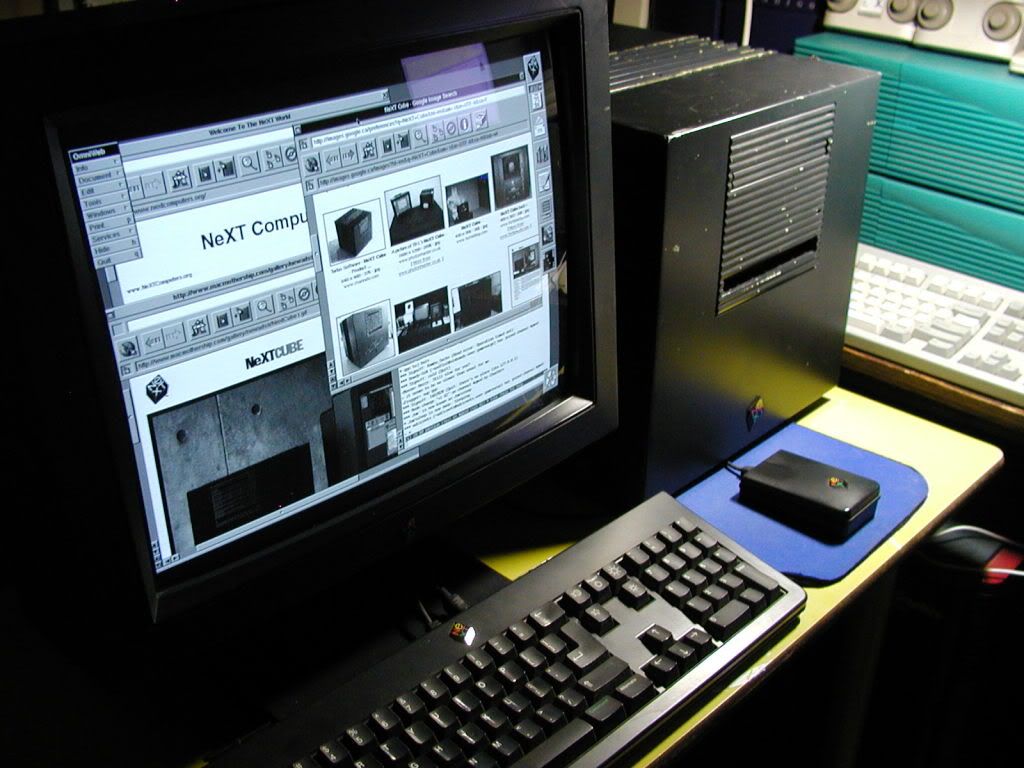
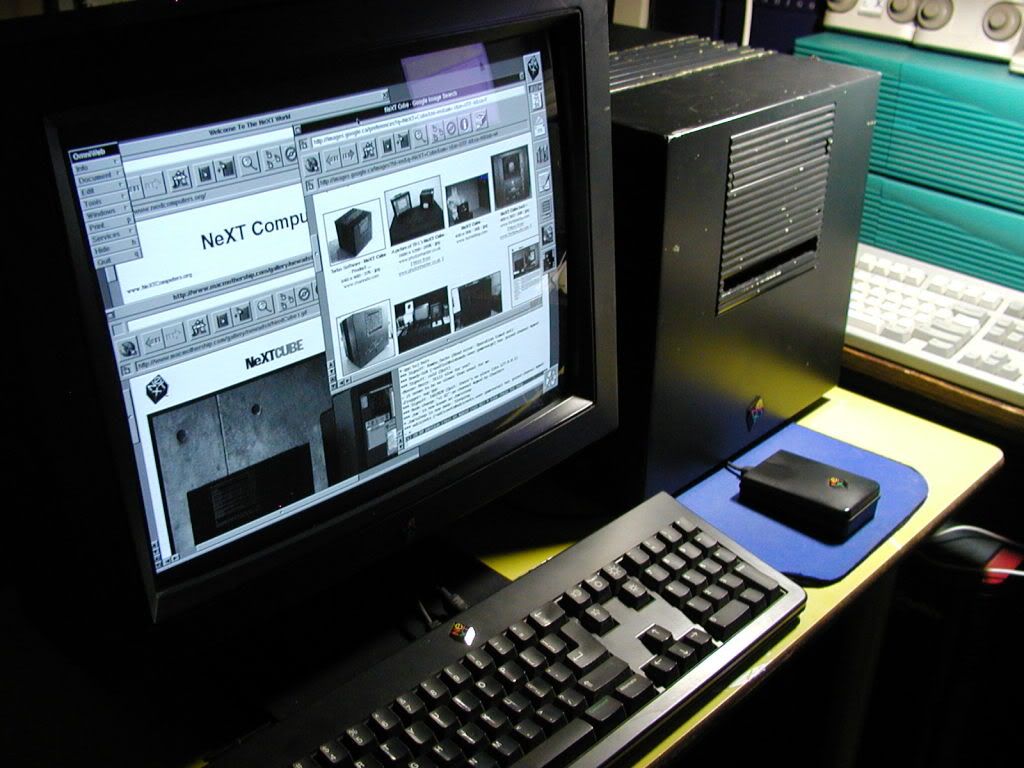
About five years ago now I used to be able to log into several websites using OmniWeb. Google was also very useable.
(EDITED: Looks like it's already been ported)
QuoteI don't think he's released the source, but it seems he is stripping all the modern web standards from the pages before sending them to the mac. It would be cool to implement something similar for use with the next.I seem to recall the major issues we had with browsers being slugs on NeXT systems was the multiple levels of conversion from HTML to DPS.
About five years ago now I used to be able to log into several websites using OmniWeb. Google was also very useable.
Title: Interesting solution to modern web browsing
Post by: barcher174 on December 14, 2013, 02:10:50 AM
Post by: barcher174 on December 14, 2013, 02:10:50 AM
Title: Interesting solution to modern web browsing
Post by: pl212 on December 23, 2013, 01:16:59 PM
Post by: pl212 on December 23, 2013, 01:16:59 PM
Saw that post and put it on my to-do list to go back and see if the code for the proxy was posted; turns out it eventually was:
https://github.com/tghw/macproxy
This looks like a great extension of the ideas the JWZ was using a few years ago to solve the HTTP1.0 / 1.1 problem:
http://www.jwz.org/blog/2008/03/happy-run-some-old-web-browsers-day/
... but including some great tag and javascript stripping as well. I used JWZ's script to get an 030 Next online with a very early version of OmniWeb; this new script should go even further to help strip out elements that cause problems.
The great thing is, modern routers are powerful enough to run this kind of code on their own CPUs, so you could even transparently proxy HTTP traffic from certain IPs and not cause any problems with your modern devices. Who'll be the first to try it?
https://github.com/tghw/macproxy
This looks like a great extension of the ideas the JWZ was using a few years ago to solve the HTTP1.0 / 1.1 problem:
http://www.jwz.org/blog/2008/03/happy-run-some-old-web-browsers-day/
... but including some great tag and javascript stripping as well. I used JWZ's script to get an 030 Next online with a very early version of OmniWeb; this new script should go even further to help strip out elements that cause problems.
The great thing is, modern routers are powerful enough to run this kind of code on their own CPUs, so you could even transparently proxy HTTP traffic from certain IPs and not cause any problems with your modern devices. Who'll be the first to try it?
Title: Interesting solution to modern web browsing
Post by: barcher174 on March 05, 2014, 03:20:57 AM
Post by: barcher174 on March 05, 2014, 03:20:57 AM